A loft conversion is a cost-effective way for UK homeowners to add more living space without the hassle of building an extension. By turning an unused loft into a room, you can create additional offices, playrooms, or leisure spaces, and thereby increase your home’s value.
Choosing the best loft conversion depends on roof structure, property type, budget, and planning constraints. This guide explores the most common types of loft conversions in the UK and helps homeowners decide which option best suits their needs.
What Are the Main Types of Loft Conversion?
There are many types of loft conversions, each offering different space, style, and budget solutions by modifying your existing roof or adding new structures. You can choose a loft conversion based on your property type and needs.
Roof Light (Velux) Loft Conversion
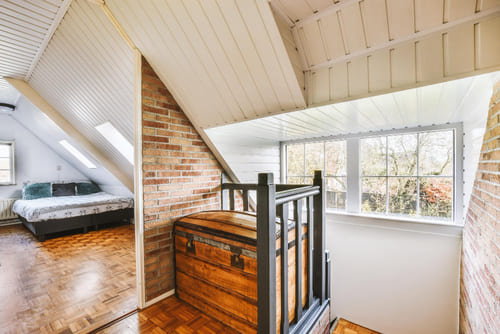
A roof light, often referred to as a Velux loft conversion, is an affordable way to convert existing roof space into a usable space. You can add roof windows to the existing slope without changing the structure. This works best for lofts with enough headroom and the right roof angle. Roof light conversions generally qualify as permitted development and are ideal for homeowners aiming to enhance natural light and functionality with minimal structural alterations.
Dormer Loft Conversion
A dormer loft conversion is a roof extension that adds headroom, floor space, and natural light. Dormers are among the most popular loft conversion styles, including Hip, Shed, flat, and L-shaped dormers. It increases useful space and creates two extra bedrooms that provide more natural light. However, a dormer loft conversion requires more skilled professionals for installation.
Mansard Loft Conversion
A mansard loft conversion involves adding a new floor to your home by modifying the roof design. This type of conversion is best for solar installations to produce DC electricity and reduce carbon emissions. It is also best for terraced properties, as it can help you store water. You can use this stored water for watering plants, flushing toilets, or laundry. However, it is more expensive, requires planning permission, and involves a more disruptive construction process.
Hip-To-Gable Loft Conversion
A hip-to-gable loft conversion changes a sloped roof into a vertical wall. This design creates additional space for usage. It also allows for more windows, which helps bring in natural light and air. By adding more space, a hip-to-gable loft conversion can increase your home’s sale value. This type of conversion works well at the end of a terrace and for separate households. However, it is not ideal for small properties.
Things to Consider When Starting Loft Conversions
Roof Structure
Your home’s existing roof structure determines the feasibility of a loft conversion. Traditional cut roof structures are better suited to loft conversions due to their design, whereas trussed roofs may require additional structural support, increasing complexity and cost.
Head Height Requirements
For a loft conversion, a minimum head height of 2.2 metres is required in the UK. Headlight considerations are essential for usability, comfort, safety, compliance with building regulations, and property value. Insufficient head height results in a cramped, impractical space that may not legally function as a habitable room.
Floor Space and Layout
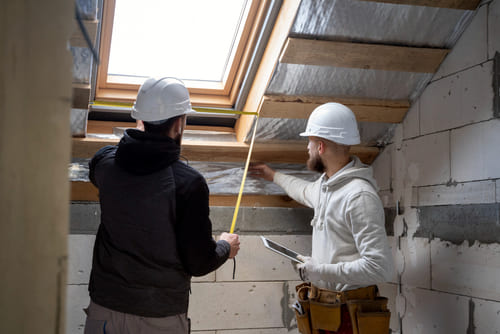
By taking accurate measurements, you will create a practical loft room that meets building regulations. Careful planning of room layout, stair placement, and access routes ensures the converted space is safe, comfortable, and compliant.
Insulation and ventilation
Proper installation and ventilation are important for comfort in a loft conversion throughout the year. UK building regulations require specific thermal performance standards to be met, helping reduce heat loss and prevent condensation issues.
What is the Typical Cost of a Loft Conversion?
The cost of a loft conversion varies depending on the type, location, and size.
| Type of loft conversion | Price | Features |
| Roof Light | £15,000 to £30,000 | Uses existing roofline; adds roof windows for light. |
| Dormer | £55,000 to £80,000 | Adds a boxlike structure protruding from the roof, increasing headroom. |
| Mansard | £70,000 or more | Converts a sloping hipped roof into a vertical gable end for more space. |
| Hip-To-Gable | £60,000 to £70,000 | Most complex; involves rebuilding the roof to create nearly vertical sides, maximising space. |
Do You Need Planning Permission for a Loft Conversion?
Many loft conversions in the UK are covered by permitted development rights, so planning permission isn’t always required. However, larger dormers, mansard conversions, and properties in conservation areas usually require formal approval from the local authority.

Conclusion
There is no single best loft conversion for all UK homeowners. It not only transforms unused space into a functional bedroom but also enhances your property’s value. There are different types of loft conversions, but the right option depends on roof structure, budget, planning considerations, and how the new space will be used. By familiarising yourself with the different types of loft conversions and planning carefully, you can create additional living space and enhance the value of your property.